Why My Arizona Road Trip Budget Went Up in Smoke—Literally
Sarah Mitchell
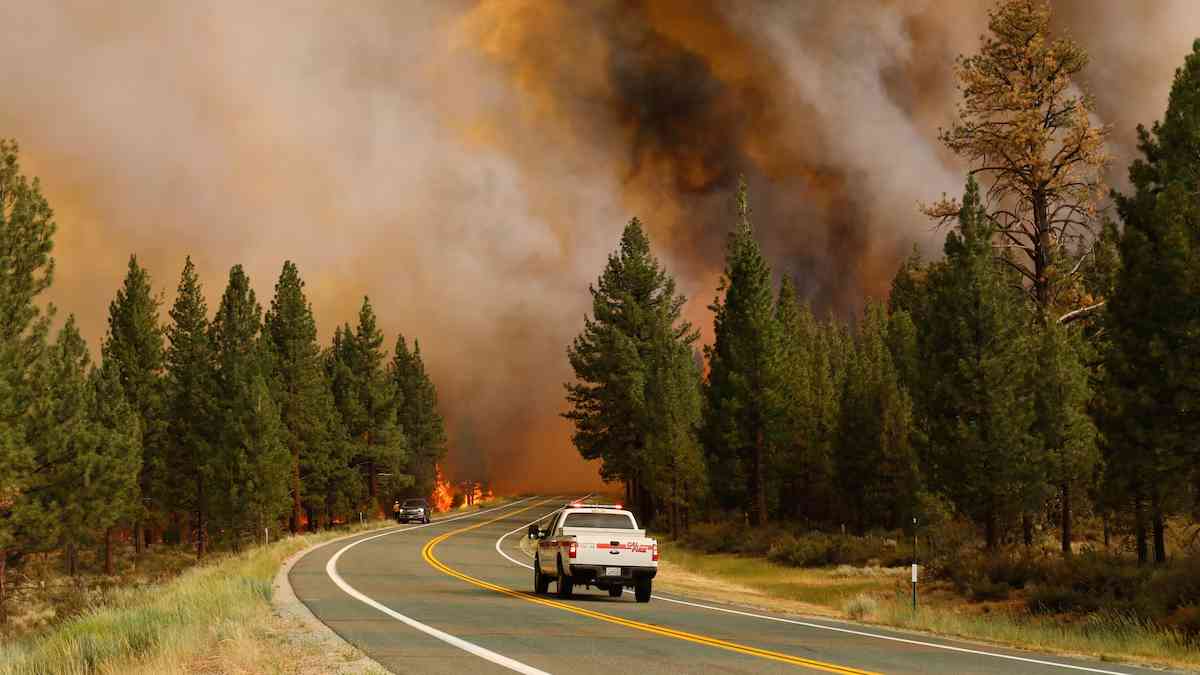
I was planning a road trip from Tucson to Flagstaff for my anniversary. I had the spreadsheet. I had the hotels booked. I had the restaurants researched. I had budgeted $1,200 for five days. Gas. Food. Lodging. Activities. A nice dinner in Sedona. A hike in Oak Creek Canyon. A night at a historic hotel in Jerome. It was going to be perfect. Then the heat dome hit. The wildfires started. The air quality in Flagstaff dropped to hazardous. The highway to Sedona was closed. The hotel in Jerome called to say they were evacuating. And my $1,200 road trip became a $1,800 staycation in Tucson. Because the climate had changed. And my travel budget had not.
I've been planning road trips for twenty years. I'm good at it. I find the deals. I book the cheap hotels. I pack snacks to avoid expensive restaurants. I use gas apps to find the cheapest stations. I am, by any reasonable standard, a budget travel expert. But I had never planned a road trip during a climate emergency. I had never had to factor in "wildfire evacuation" as a line item. I had never had to calculate the cost of "trip cancellation due to air quality." I had never had to budget for "staying home because the destination is on fire." And my travel budget, which was built for stable weather, collapsed under the weight of a climate that doesn't care about my anniversary.
Here's what the travel budget calculators don't tell you. They ask for your destination. They ask for your dates. They ask for your number of travelers. They calculate gas, food, lodging, and activities. They do not ask about wildfire risk. They do not ask about heat wave probability. They do not ask about air quality. They do not ask about highway closures. They assume that the weather will be fine. That the roads will be open. That the hotels will be operating. That the restaurants will be serving. And in 2026, those assumptions are not safe. They're dangerous. Because the climate is changing. And the travel industry is pretending it's not.
I started looking at the costs. The hotel in Flagstaff was non-refundable. $180. Lost. The hotel in Jerome was refundable, but I had to pay a cancellation fee. $45. The restaurant reservation in Sedona required a deposit. $50. Lost. The gas I had budgeted for the trip was now being used for local driving. $120. The activities I had planned—hiking, sightseeing, wine tasting—were all cancelled. But I had already paid for some of them. $80. Lost. The total waste was $475. That's 40% of my budget. Gone. Because of wildfires. Because of heat. Because of a climate that doesn't care about my spreadsheet.
The thing that really gets me is the insurance. I bought travel insurance. I always do. It's $40 for peace of mind. But when I called to claim, they denied me. "Wildfires are not a covered peril," the agent said. "Unless they directly affect your accommodation." I told him my hotel was evacuating. He said that was "hotel choice," not "forced evacuation." I told him the highway was closed. He said that was "road maintenance," not "natural disaster." I told him the air quality was hazardous. He said that was "environmental conditions," not "trip interruption." Every reason I had for cancelling was excluded. Every exclusion was written in language so vague it could mean anything. The insurance was worthless. And I was out $40 for the privilege of being denied.
I started talking to other travelers. The couple at the coffee shop told me they had lost $2,000 on a California trip because of wildfire smoke. The family at the park told me they had driven to New Mexico and turned around because of heat warnings. The solo traveler at the bookstore told me she had cancelled three trips this year because of climate-related issues. "I'm just staying home now," she said. "It's cheaper. And safer." The travel industry is losing customers. Not because of recession. Not because of inflation. Because of climate change. And they're not adapting. They're not offering climate-flexible bookings. They're not covering climate-related cancellations. They're not warning travelers about heat risks. They're just taking the money and hoping for the best.
I started a new approach to travel planning. I check the climate risk before I book. I look at wildfire forecasts. I look at heat wave probabilities. I look at air quality trends. I book refundable everything. Hotels. Flights. Car rentals. I pay more for flexibility. I buy the "cancel for any reason" insurance. It's expensive. But it's worth it. Because the alternative is losing hundreds or thousands of dollars to a climate event I can't control. And I'm not going to let the climate steal my vacation budget. Not anymore.
The psychological toll is real. I used to love planning trips. The research. The anticipation. The excitement. Now I dread it. I check the weather obsessively. I track wildfire maps. I monitor air quality. I have backup plans for my backup plans. And I'm still not sure. Because the climate is unpredictable. Because a trip that looks safe in March might be impossible in July. Because the world is changing faster than the travel industry can adapt. And the budget calculators are not helping. They're giving us false confidence. False security. False savings. And when the climate strikes, we're left holding the bag. And the bag is full of cancelled reservations and lost deposits.
I'm not giving up on travel. I'm just changing how I do it. I'm staying closer to home. I'm choosing destinations with lower climate risk. I'm traveling in shoulder seasons. I'm building bigger buffers into my budget. And I'm refusing to let the climate steal my joy. But I'm also refusing to pretend that the old rules still apply. They don't. The climate has changed. And travel budgeting has to change with it. Or we're all going to be staying home. And that's not a vacation. That's a surrender.
So here's my advice. If you're planning a trip, add 30% to your budget for climate contingencies. Book refundable. Buy real insurance. Check the wildfire maps. Check the heat forecasts. And have a Plan B. Because Plan A might not work. And the travel budget calculator that tells you everything will be fine is lying. It's not fine. It's hot. It's smoky. It's unpredictable. And it's expensive.
Anyone else had their vacation budget destroyed by the climate? Because I'm starting to think we need a Climate-Resilient Travel Planner. And I'm willing to build it.
