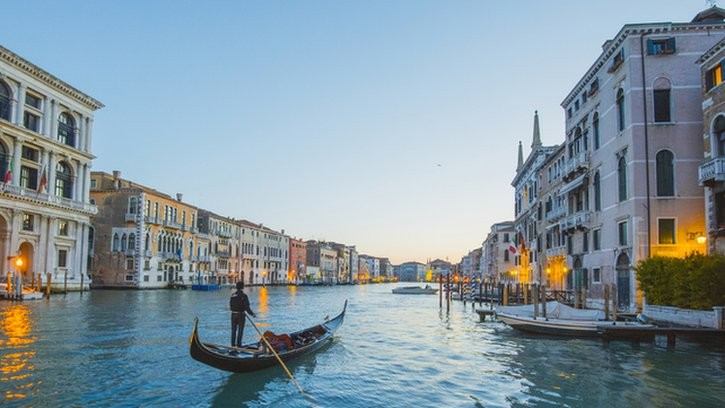
The hotel receptionist in Venice handed Anna a bill for an extra €24. “Tourist tax,” she said. Anna had already paid for her room online. She didn’t know about the tax. She asked how it worked. The receptionist explained: €4 per person per night, up to five nights. Anna and her husband were staying three nights. That’s €24. She paid. She wasn’t angry – she just wished someone had told her before she budgeted.
Sustainable tourism taxes are spreading. Venice has its “access fee” – a separate €10 for day trippers. Barcelona charges €4 per night. Amsterdam charges 12.5% of the room rate – that’s €25 on a €200 room. Austria, Germany, France, Italy, Portugal, Croatia – all have some form of tourist tax. Japan has a “Sayonara Tax” (¥1,000 per departure). New Zealand charges a NZD $35 International Visitor Conservation and Tourism Levy. The Maldives charges a “green tax” of $6 per night.
These taxes aren't optional. They're often not included in the advertised room rate. They're payable at check-in, check-out, or in advance depending on the booking platform. And they can add 5-15% to your accommodation budget.
The Travel Budget Calculator includes a toggle for tourist taxes, but it's off by default.
Anna didn't know about the toggle. She found out at the front desk. That's the wrong time to find out.
Where the taxes are highest
Venice, Italy. The overnight tax is €1-5 per person per night depending on the season and room type. The day-tripper access fee is €10 (€5 on some days). If you stay three nights, you could pay €15-30 in overnight tax plus your €10 access fee if you're a day visitor. Total up to €40.
Amsterdam, Netherlands. 12.5% of the room rate plus €3 per person per night. On a €200 room for two people for three nights: €200 × 12.5% × 3 = €75, plus €3 × 2 people × 3 nights = €18. Total €93. That's a significant addition.
Barcelona, Spain. €4 per person per night. No percentage, just a flat fee. For two people for four nights: €32.
Paris, France. €2-8 per person per night, depending on the hotel category. A 5-star hotel charges €8. A 1-star hotel charges €2. For a mid-range hotel, €4. For two people for a week: €56.
Lisbon, Portugal. €2 per person per night, capped at 7 nights. For two people for 7 nights: €28.
Croatia. €1.3 per person per night (about 10 kuna). For two people for two weeks: €36.
Japan. ¥1,000 per departure (about £5.50). This is built into airfare on international flights, so you may not notice it. But it's there.
New Zealand. NZD $35 (about £17) per person. Paid when applying for the NZeTA (Electronic Travel Authority). It's separate from the visa waiver. Many tourists miss it.
Maldives. $6 per person per night. For a week: $84 for two people.
The Trip Cost Estimator can help you add these taxes to your daily budget.
I helped Anna rebuild her Venice budget. She added a line item for tourist tax: €24. She added another line item for the access fee (she wasn't a day tripper, so she didn't need it). Her revised total was €2,724 instead of €2,700. She was fine. But she said “if I'd been on a tight budget, that €24 would have been my last meal.”
Why these taxes exist
The official reason: to fund sustainable tourism. To fix the damage that mass tourism causes – worn infrastructure, overtaxed public services, environmental degradation, housing shortages for locals. Venice uses the tax to clean canals and manage cruise ship crowds. Amsterdam uses it to fund affordable housing and reduce Airbnb. New Zealand uses it for conservation projects.
The unofficial reason: to discourage overtourism. A tax of €4 per night won't stop most tourists. But the cumulative effect – plus higher hotel rates, plus more restrictions – might push some travellers to go elsewhere. That's the point.
A traveller named Mark told me he switched from Venice to Trieste after hearing about the access fee. “I don't like being charged just to walk around,” he said. He spent a week in Trieste instead. He enjoyed it more.
The Multi-City Trip Cost Calculator can help you compare destinations with different tax structures.
Mark compared Venice vs Trieste on the calculator. Venice: €1,800 for 7 nights (including tax). Trieste: €1,300. He saved €500 and avoided the crowds.
How to find out about these taxes before you book
Read the fine print on booking sites. Booking.com and Agoda sometimes include taxes in the final price. Sometimes they don't. Look for “taxes and charges may apply” or “pay at the property.” If it's not clear, email the hotel.
Check official tourism websites. Each city's tourism board publishes the tax rates. For example, visitvenice.it has a page on the access fee. Iamsterdam.com has details on the tourist tax.
Use the Travel Budget Calculator’s “advanced” mode. There's a section for local taxes. It's not exhaustive, but it covers the most common destinations.
A reader named Sophie found out about the Amsterdam tax through the calculator. She added €93 to her budget. She was annoyed but prepared. “I'd rather know in advance than find out at check-in,” she said.
The future of tourist taxes
More cities are adopting them. Edinburgh is considering a £2-5 per night visitor levy. Prague is introducing a new tax in 2027. Barcelona is raising its tax by €1 per night. Paris increases its tax every year in line with inflation.
The trend is clear. Tourist taxes are here to stay. They will increase over time. And they will apply to more and more destinations.
A travel economist (I forget his name, but I read his paper in 2024) argued that tourist taxes are a form of “Pigouvian tax” – designed to correct the negative externalities of tourism. In plain English: tourists cause damage, so they should pay for repairs. That's hard to argue with. But the implementation is often sloppy, inconsistent, and hidden.
How to budget for tourist taxes
Add 5-10% to your accommodation budget for taxes. That's a safe buffer for most European cities. For Amsterdam, add 15%. For Venice, add 10%.
Carry cash for taxes. Some hotels require payment in local currency at check-in. They can't charge your card on file. Anna had to pay her €24 in cash. She had enough euros left.
Factor the tax into your daily spending. The Trip Cost Estimator lets you add a “miscellaneous” category. Put the tax there.
Consider staying in tax-free accommodations. Some countries exempt children under a certain age (usually 12-16). Some exempt stays longer than a certain number of nights (Venice caps at 5 nights). Some exempt campsites and hostels from the full tax.
The Currency Budget Converter won't help with taxes, but it can help you ensure you have the right currency.
Anna had euros left because she'd used the converter to withdraw exactly what she needed. She had €50 left on her last day. The €24 tax fit perfectly.
The ethical question
Should you avoid destinations with high tourist taxes? That's up to you. Some travellers feel the taxes are fair – they pay for the services they use. Others feel they're a cash grab.
A couple I know, Tim and Laura, chose to avoid Barcelona because of the tax. They went to Malaga instead. No tax. Cheaper food. Great beaches. They had a fantastic time. Barcelona didn't miss them.
Another traveller, a man named James, paid the Amsterdam tax without complaint. “I'm paying €100 extra to stay in one of the most beautiful cities in the world. That's fine,” he said.
No right or wrong answer. Just know the numbers.
Final advice
Anna's trip to Venice was wonderful. She didn't let the €24 ruin it. She said “I'll know for next time. And I'll tell my friends.”
That's all you can do. Learn. Plan. And add a buffer.
The Travel Budget Calculator can't predict every tax. But it can remind you to check. Turn on the tourist tax toggle. Add 10% to your accommodation estimate. And carry a little extra cash.
Sustainable tourism taxes aren't going away. They might even be a good thing. But they're a budget line item now. Treat them like one.