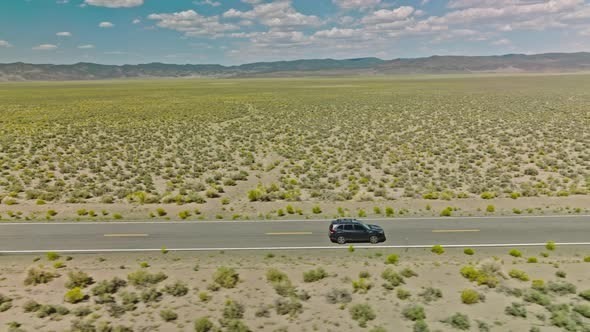
A spreadsheet with 1,247 rows. Every coffee. Every toll. Every campsite. That’s what a couple named Matt and Rachel sent me after their 90‑day road trip from Seattle to Miami. They’d driven 12,000 miles through 22 states. They’d slept in a Ford Transit van they converted themselves. And they’d tracked every single dollar.
I opened the spreadsheet and scrolled. Row 1: “Day 1 – fuel – $42.30.” Row 47: “Day 4 – campsite Olympic National Park – $15.” Row 203: “Day 12 – laundromat – $6.” Row 891: “Day 43 – brake repair – $384.” The bottom line: $8,372 for 90 days. That’s $93 a day for two people, including the van, the fuel, the food, the repairs, and everything else.
Matt told me later that the spreadsheet saved their marriage. “When you’re living in a metal box with one person for three months, money fights are inevitable. But we had a rule: every expense gets logged within an hour. No arguments about who spent what. The spreadsheet was the referee.”
The Trip Cost Estimator is the tool they used to plan their daily targets.
Before they left, they built a detailed budget. Fuel: $1,500. Campsites: $1,200. Food: $2,000. Van maintenance: $500. Activities: $1,000. Buffer: $800. Total: $7,000. They ended up $1,372 over because of unexpected repairs – a coolant leak in Utah ($450, a cracked windshield in Texas ($350, and a new set of tyres in Colorado ($600. The buffer covered some of it. The rest came from eating cheaper meals and skipping a few expensive tours.
The Travel Budget Calculator is better for shorter trips, but the same principles applied.
The biggest surprise for Matt and Rachel was campsite costs. They’d planned to wild camp on Bureau of Land Management (BLMland for free. But BLM land was often far from the sights they wanted to see. They ended up paying $15-30 per night at state parks and private campgrounds. That added $800 to their budget.
They also underestimated how much they’d spend on showers. Many campgrounds charged $2-5 for a hot shower. After a week of sponge baths in the van, they paid every time. That’s $200 they hadn’t budgeted for.
Rachel told me “the spreadsheet was annoying at first. Logging a $2 shower felt silly. But after a week, it became a game. We’d compete to see who could log faster.”
The Multi-City Trip Cost Calculator can be adapted for road trips by treating each state as a “city.”
They used it to estimate fuel costs between major stops: Seattle to Portland ($30, Portland to San Francisco ($80, San Francisco to Los Angeles ($50. The tool gave them a realistic number – 15-20 cents per mile in a van that got 18 miles per gallon. They used that to plan their route. Without it, they might have taken a longer, more scenic road that would have added $200 in fuel.
Another thing they learned: National Parks passes are worth it. The America the Beautiful pass cost $80 and covered entry to all national parks for a year. They visited eight national parks – Yellowstone, Grand Teton, Arches, Canyonlands, Grand Canyon, Petrified Forest, Great Smoky Mountains, and Everglades. Individual entry fees would have cost $30-35 per park, total $250. The pass paid for itself by park three.
They also discovered that some towns have free camping behind fire stations or in church parking lots. They stayed in a fire station lot in Moab, Utah for two nights – $0. The firefighters even offered them coffee in the morning.
Matt said “the cheapest night of our trip was behind a gas station in Wyoming. We parked next to a semi truck. The driver gave us beer. We paid $0 and made a friend.”
Matt described the night in Wyoming when the temperature dropped to minus five degrees. They were camped in a national forest, three miles from the nearest road. The van's heater ran on propane, and they had miscalculated how much they would need. At 2 AM, Rachel woke up shivering. Matt checked the gauge. Empty. They put on every piece of clothing they owned. They zipped their sleeping bags together. They lay there, fully dressed, watching their breath fog the windows. In the morning, they drove to the nearest town and bought a new propane tank. It cost forty dollars. Matt said it was the best forty dollars he ever spent.
The thing about tracking every penny is that you start to see patterns you would never notice otherwise. Rachel showed me her spreadsheet. The category that surprised them most was not fuel or campsites. It was ice. They bought ice every two days for the cooler. Two dollars a bag. Over ninety days, that was ninety dollars. They could have bought a small refrigerator for two hundred dollars and saved money in the long run. But they did not know that at the start. That is the problem with long-term budgeting. You learn the lessons too late to apply them to the current trip.
Not every night was cheap. In big cities – San Francisco, Los Angeles, Miami – they paid $40-60 for campgrounds with security and showers. Those nights hurt, but they were worth it for the safety and the hot water.
The couple’s total breakdown after 90 days:
Fuel: $1,950 (target $1,500– over because of detours and price hikes
Campsites: $1,450 (target $1,200– over because of fewer BLM nights
Food: $1,800 (target $2,000– under because they cooked more than planned
Van maintenance: $1,120 (target $500– way over because of the coolant leak, windshield, and tyres
Activities: $850 (target $1,000– under because they skipped two expensive tours
Buffer: used all $800
Other (showers, laundry, tolls, parking: $202
Total: $8,372.
Rachel said “the coolant leak in Utah was scary. We were in the middle of nowhere. A mechanic in a small town fixed it for $450. He said we were lucky it wasn’t the head gasket. After that, we added a $1,000 emergency fund to our mental budget. We never used it, but it gave us peace of mind.”
The Road Trip Budget tool isn’t built yet, but the Travel Budget Calculator can be used per state.
Matt and Rachel used it to budget for California separately, because it’s more expensive than other states. They allocated $100 per day for California, $70 per day for the rest. That kept them on track.
I asked them what they’d do differently next time. Matt said “bring less stuff. We packed way too many clothes. We wore the same three T-shirts for weeks.” Rachel said “buy a better fridge. Our cheap cooler needed ice every two days. That added up – $3 per bag, 45 bags, $135. We could have bought a $200 electric fridge and saved money in the long run.”
They’re planning another trip next year – this time from Miami to Seattle, the reverse route. They’re budgeting $10,000 because they want to do a few paid tours (helicopter over the Grand Canyon, whale watching in the San Juan Islands. They’re already using the Trip Cost Estimator to build their daily targets.
“Spreadsheet is ready,” Matt said. “Now we just need the time.”