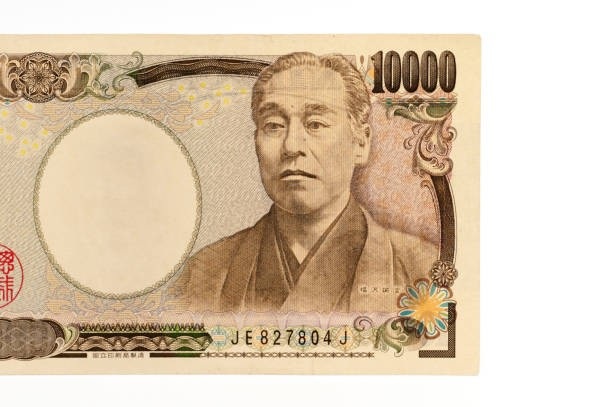
The yen dropped 12% against the pound in six weeks. A woman named Claire lost £450 of spending money without buying a single thing.
I met Claire at a coffee shop in Brighton a few months after her trip to Japan. She was still annoyed. Not at Japan – she loved Japan. At the timing of her currency exchange. She’d bought yen at 155 to the pound. By the time she landed in Tokyo, the rate was 167. That’s a 7.7% difference. On a planned budget of £6,000, she was effectively down £460 before she’d even checked into her hotel.
She could have avoided most of that loss with a simple strategy: buy yen in small batches, not all at once. Instead, she’d followed bad advice from a friend who said “the yen is cheap, buy now.” The friend was right that the yen was cheap. But it got cheaper.
The Currency Budget Converter is the tool she needed before she exchanged a single pound.
Claire’s mistake was common. A survey I saw last year – I forget which travel site published it – said that 60% of international travellers exchange all their currency at once, usually a week or two before departure. That’s exactly when rates are least predictable. The market moves on news, elections, central bank announcements – things that happen after you’ve already locked in your rate.
A friend of mine, a guy named Mark, learned this lesson in a different way. He travelled to Turkey when the lira was crashing. He exchanged £500 at the airport – the worst possible place – and got a terrible rate. Then he realised that ATMs in Turkey gave him 30% more lira for the same pounds. He stopped using cash and started withdrawing from ATMs every few days. He saved over £150 on a two-week trip.
The Trip Cost Estimator can help you build currency fluctuations into your daily budget.
Mark added a 15% “currency buffer” to his budget. He set his daily spending target at £50, but he mentally capped it at £43, leaving £7 of buffer for rate swings. That buffer saved him when the lira dropped another 5% mid-trip. He didn’t have to cut back on food or activities. He just kept spending within his lower target.
Claire told me about the ATM in Shibuya where she finally understood what was happening. She had been withdrawing cash every three days, each time getting a slightly different amount of yen for the same pound amount. She thought it was normal. Then she looked at her bank statement. The exchange rate had moved against her by eight percent in two weeks. She had lost the equivalent of three nights of accommodation without buying anything extra. She sat on the steps outside the ATM booth and recalculated her entire budget on the back of a receipt from a convenience store. The numbers did not work anymore.
The psychology of currency loss is strange. You do not feel it the way you feel spending cash. When you hand over a twenty-pound note, you feel the loss. When the exchange rate moves against you by two percent, it feels like nothing — until you realize that two percent of two thousand pounds is forty pounds, and forty pounds is five nights in a hostel. Claire started checking the rate every morning. She had an app that sent her a notification. Some days the number went up. Some days it went down. She told me she felt like she was watching her money evaporate in slow motion.
Claire’s Japan trip was expensive for other reasons too. She’d budgeted £100 per day for food, transport, and activities. That’s generous. Japan can be done for £50 a day if you eat convenience store food and walk everywhere. But Claire wanted the full experience – sushi dinners, temple entrance fees, the Shinkansen bullet train from Tokyo to Kyoto. That train alone cost her £90.
The Travel Budget Calculator would have shown her a range: budget, mid-range, luxury. She chose luxury. That was fine. But she didn’t account for the currency risk on top of that luxury spend.
She told me that her biggest regret wasn’t the money she lost to exchange rates. It was the stress. Every time she checked the yen rate on her phone, she felt a little sick. She started second-guessing every purchase. “Should I buy this souvenir now, or wait until the rate improves?” She wasted mental energy that should have been spent enjoying her trip.
I’ve seen this happen with a lot of travellers. They become obsessed with the daily exchange rate. They check it multiple times a day. They delay buying things they want, hoping for a better rate. Sometimes it works. Sometimes the rate gets worse. Either way, they’re not present.
The solution is simple. Decide on a budget in your home currency. Convert half of it before you go, using a service with low fees (Wise, Revolut, or a bank that doesn’t charge overseas ATM fees. Then withdraw the rest as you go, from ATMs. Don’t check the rate daily. Check it once before you leave, then forget about it.
Claire is going back to Japan next year. She’s already opened a multi-currency account with Wise. She’s adding yen every month, slowly, to average out her rate. She’s also bought a small amount of yen using a rate alert – the Currency Budget Converter will notify her when the rate hits her target.
She told me “I’m not going to let exchange rates ruin another trip. It’s just money. The memories are worth more than the £450 I lost.”
That’s the right attitude.
If you’re planning a trip to a country with volatile currency, use the Currency Budget Converter. Set rate alerts. Spread your exchanges over time. And build a buffer into your daily budget.
The yen might go up. It might go down. But you’ll still have an amazing time in Japan.